

Leaving the Closet
When Grace Finally Fits

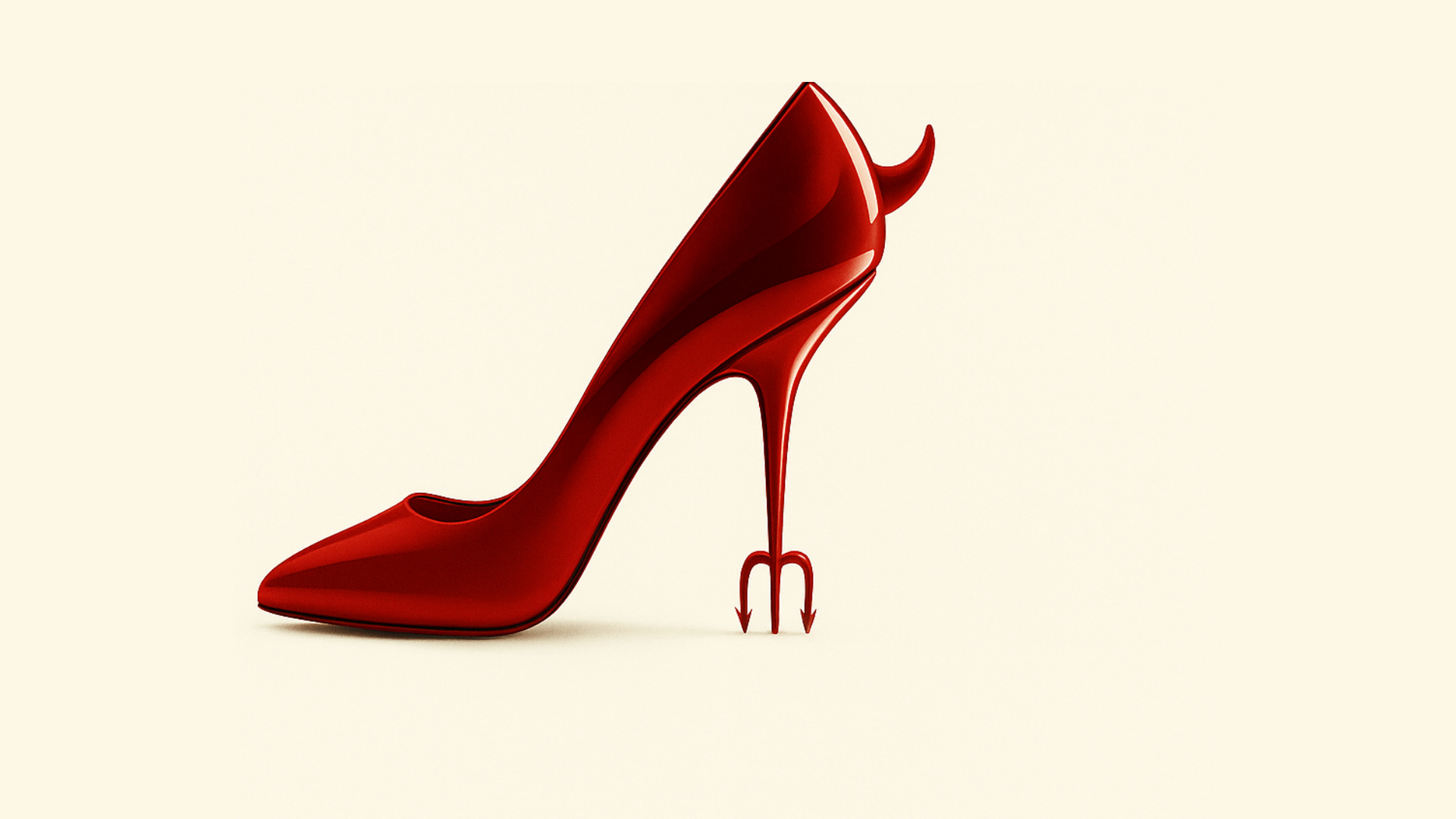
This is the final installment of my reflections on grace and The Devil Wears Prada. For those that enjoyed this: You’re welcome. For those that did not: Better luck next time.
In the final scene of The Devil Wears Prada, Andy Sachs walks away.
She’s standing on a Paris street in a borrowed gown, her phone buzzing with Miranda Priestly’s voice on the other end — that cold, familiar summons from the world of expectation. And instead of answering, Andy tosses the phone into a fountain and smiles.
The phone hitting the water is the sound of freedom. A splash of grace in a world obsessed with performance.
Now, nearly twenty years later, The Devil Wears Prada 2 opens with the same question we’ve all faced since: what happens after you walk away? When you’ve traded the runway for real life, when you’ve stopped dressing up for approval, what do you wear then?
It turns out freedom isn’t as easy as throwing your phone in the water.

Grace is one thing; living as though it’s true is another.
Even after you’ve heard the gospel that God loves you apart from your performance, there’s still a closet full of old clothes whispering your name. Regret. Comparison. Guilt. The itch to be noticed again.
I’ve seen it in parishioners and preachers alike (including the one who stares back at me in the mirror). We come to church to hear about grace, but we leave wondering if we’re still wearing the right thing, that is to say, the right faith, the right theology, the right mask.
The Law has a way of sneaking back into our wardrobes. It disguises itself as responsibility, or morality, or self-improvement, until before we know it, we’re back on the runway performing for a God who never asked for a show.
